The City of Crystdoxia
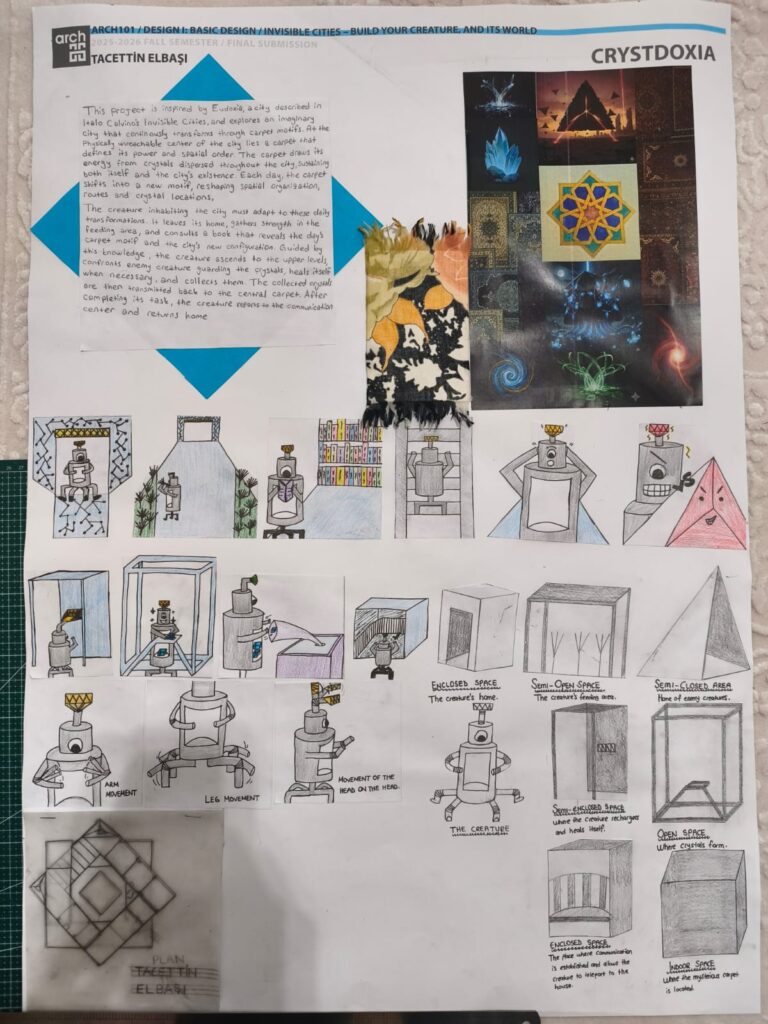
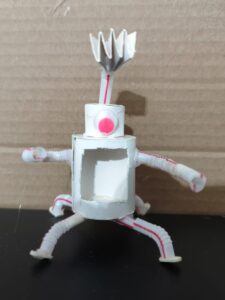
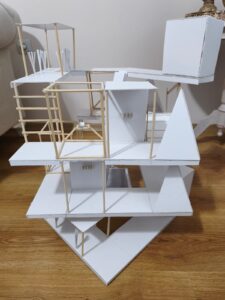
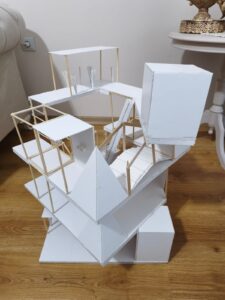
Crystdoxia is a speculative architectural city based on constant change. The project focuses on the idea that a city does not need to be clear or readable at first sight. Instead of a fixed form, Crystdoxia is designed as a system where meaning appears only when the city is observed as a whole. From inside, the city feels fragmented and confusing, but from above, an order becomes visible. At the center of the city, there is a carpet that acts as the main organizing element. The carpet cannot be physically reached, yet it controls the structure of Crystdoxia. Every day, the carpet transforms into a different motif. This motif determines how the city is arranged on that day. Buildings, paths, and empty spaces gain meaning according to this pattern. In the physical model, this idea is represented with a form that resembles a Seljuk star when viewed from above. This motif changes daily according to the carpet’s transformation. The carpet needs energy to transform, and this energy comes from crystals spread across the city. Crystals allow the carpet to change its motif and keep the city alive. Without enough energy, the city cannot reorganize itself and remains a collection of disconnected parts without clear meaning. There is only one creature capable of understanding this system. At the beginning of each day, the creature reads an ancient book located within the city. As it studies the pages, it notices how paths and spaces have shifted. For a moment, it hesitates, unsure which direction to take. Slowly, it begins moving through the city, observing the pattern, finding the crystals, and understanding the new order. The atmosphere of Crystdoxia is shaped by uncertainty and continuous transformation, requiring the city to be reinterpreted each day rather than memorized by users.