Escapecore
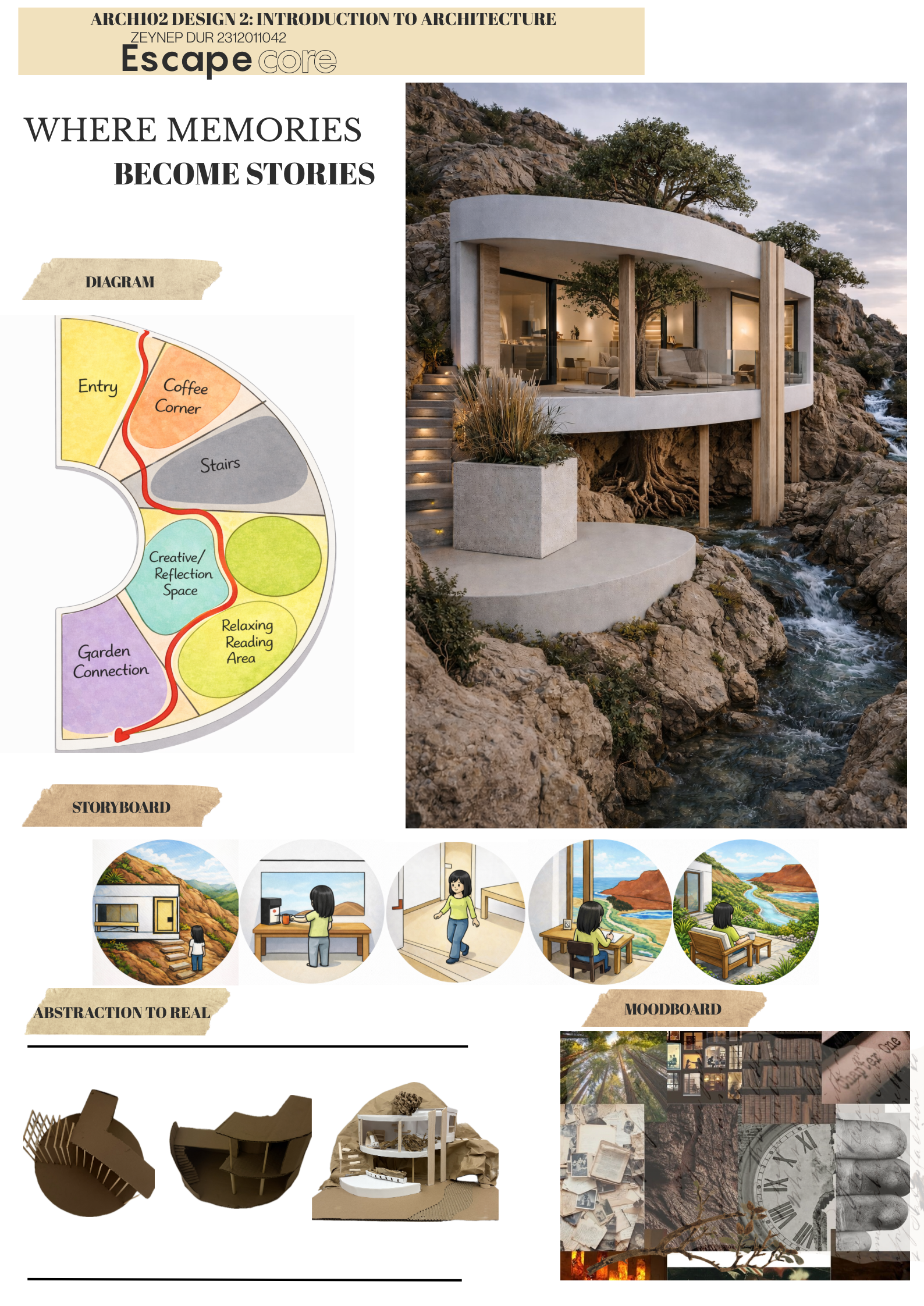
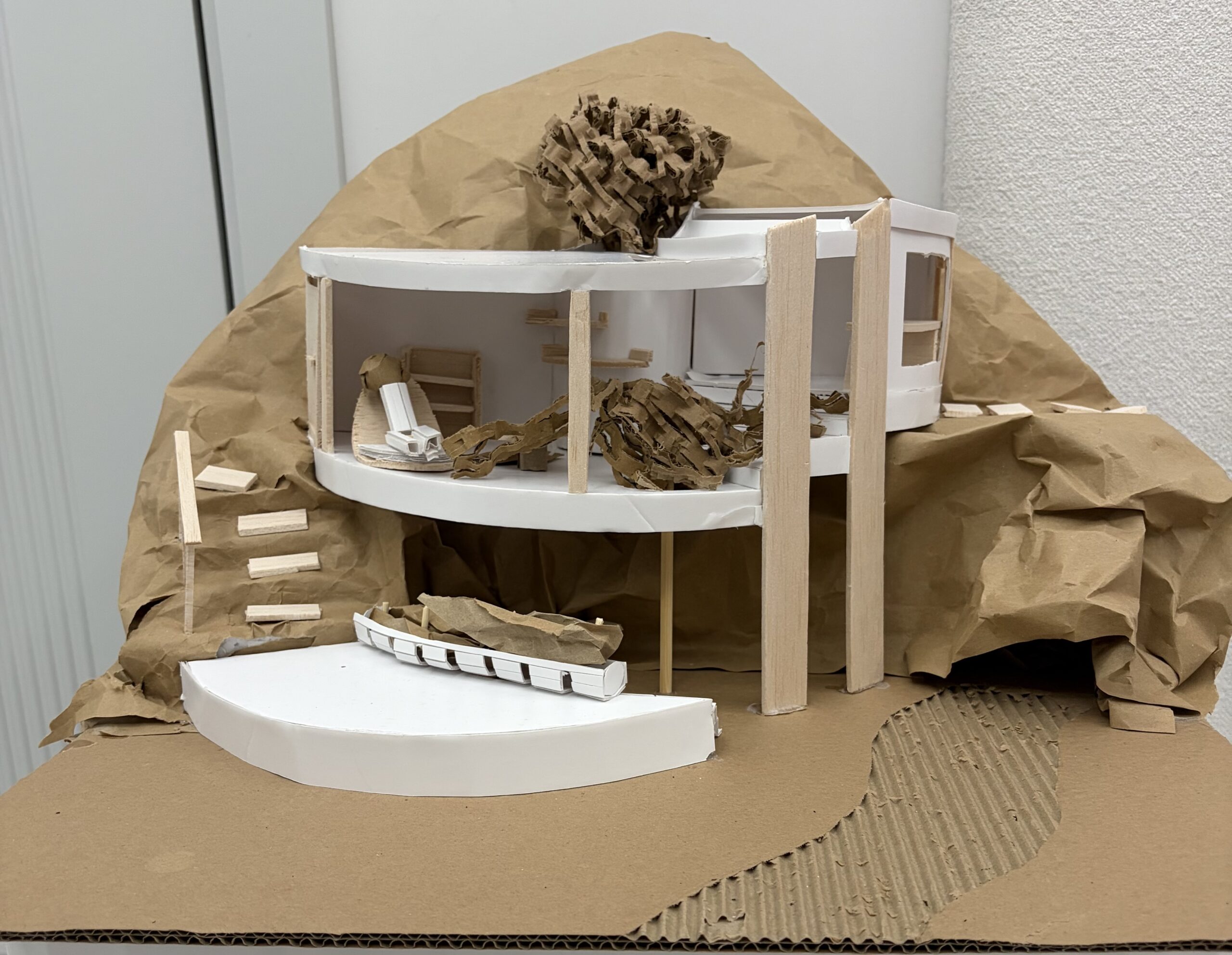
Escapecore is a retreat that encourages individuals to disconnect from the fast pace of everyday life and reconnect with their memories, emotions, and personal experiences. Inspired by the concept of escapecore, the project transforms moments of comfort, nostalgia, and self-reflection into a spatial experience. Here, escape is not understood as physical distance, but as an emotional and mental journey inward. The project is based on the idea of revisiting memories that gradually fade with time and transforming them into new stories. The space is organized around a series of experiential zones that allow users to engage with different aspects of their past. Photographs, books, writing corners, plants, and quiet resting areas act as memory triggers, encouraging reflection and imagination. Each space invites users to slow down, observe, remember, and create their own narratives. The spatial organization follows a journey in which different paths and experiences gradually lead to a central gathering point. As users move through the project, they leave behind the distractions of daily life and enter an environment shaped by calmness, curiosity, and personal discovery. Natural light, a peaceful atmosphere, and a strong connection with nature reinforce the project’s restorative character.A day in Escapecore may begin with a quiet moment of reading accompanied by a cup of coffee. As the day unfolds, users can explore old photographs, write stories inspired by their memories, or spend time caring for plants and observing nature. Through these simple activities, the space becomes more than a refuge; it becomes a place where memories are transformed into stories and stories into new experiences. Escapecore offers a personal retreat where individuals can reconnect with themselves, rediscover forgotten memories, and find inspiration through the quiet dialogue between memory, nature, and imagination.
Writers’ Oba
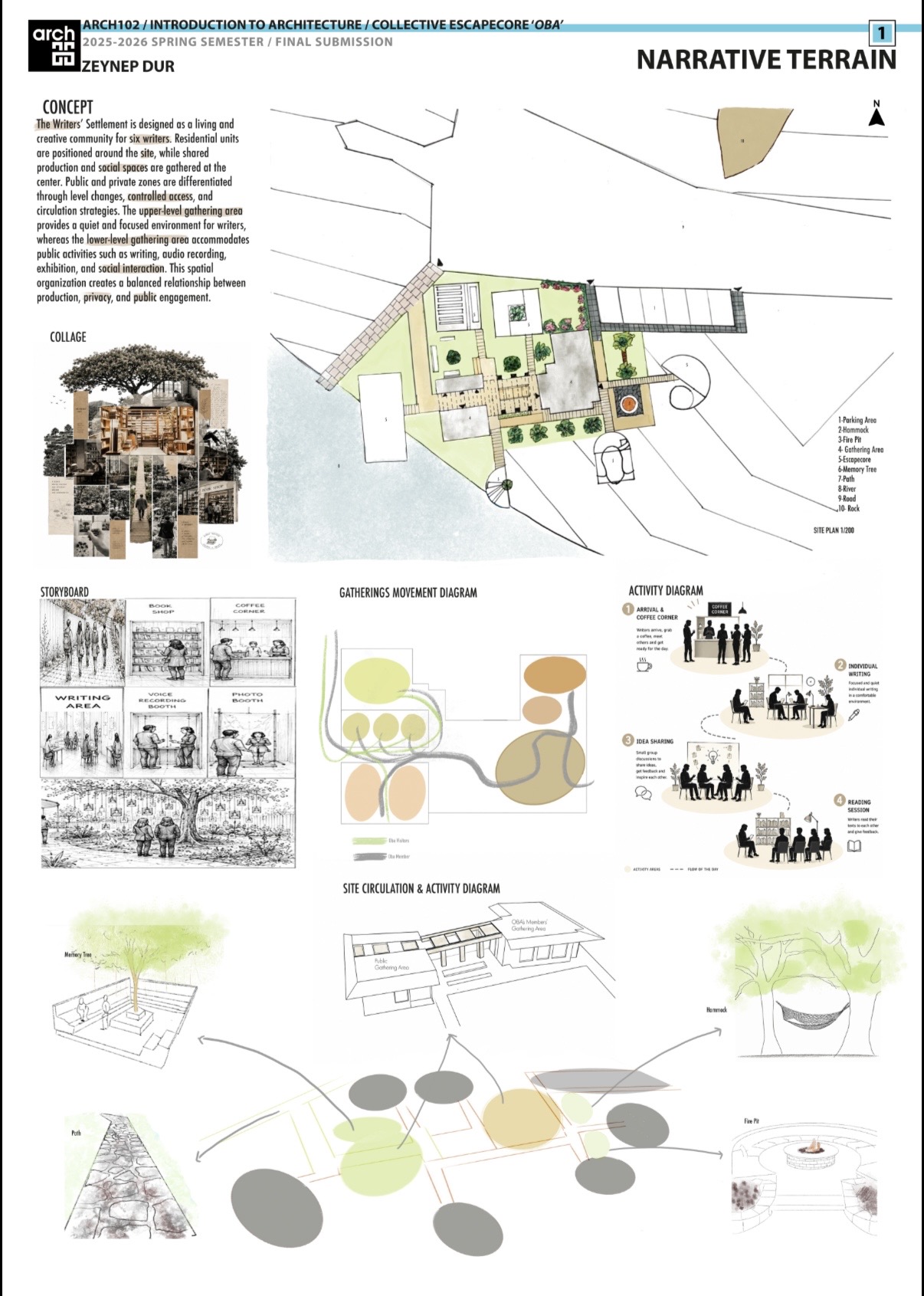
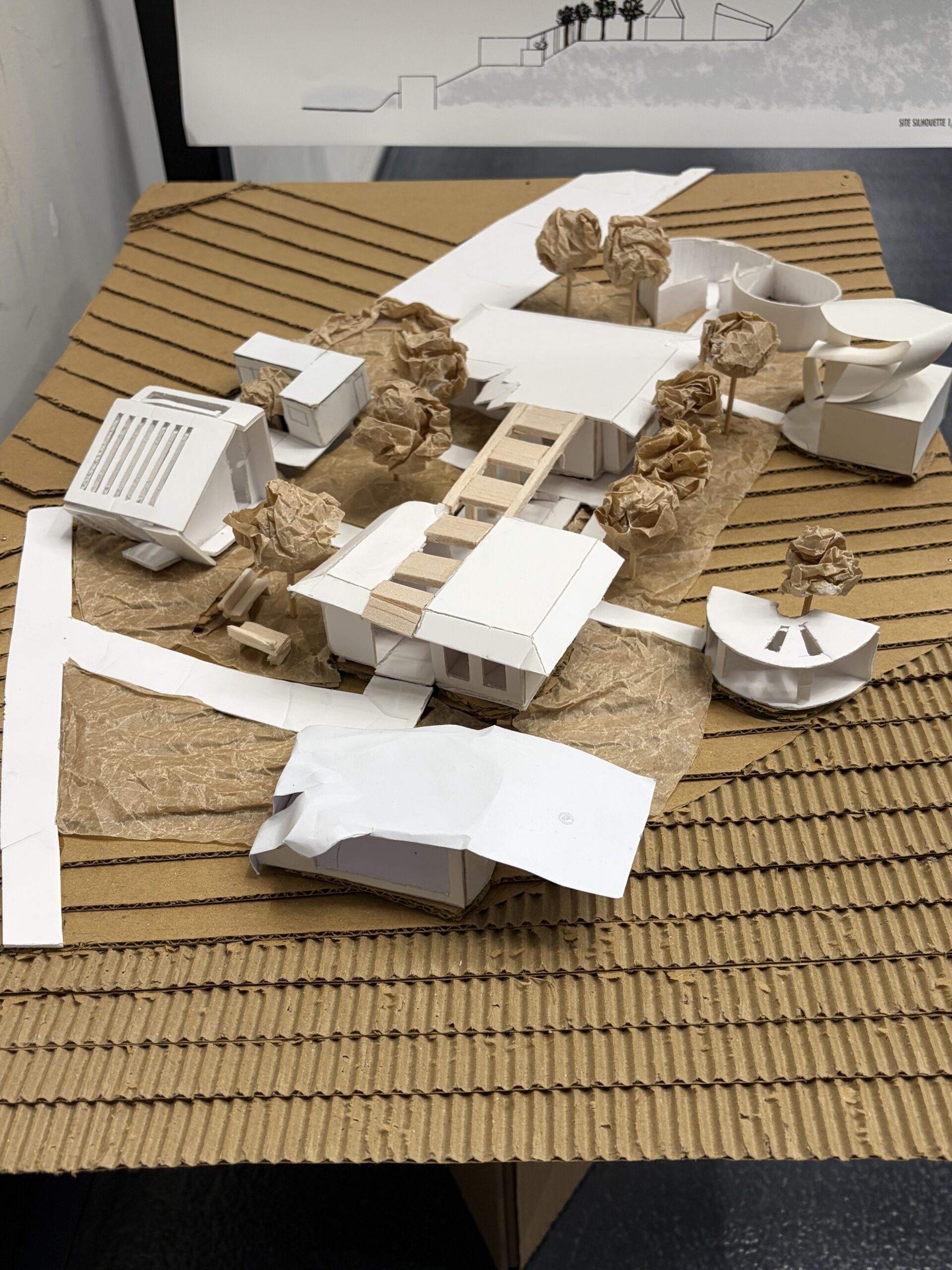
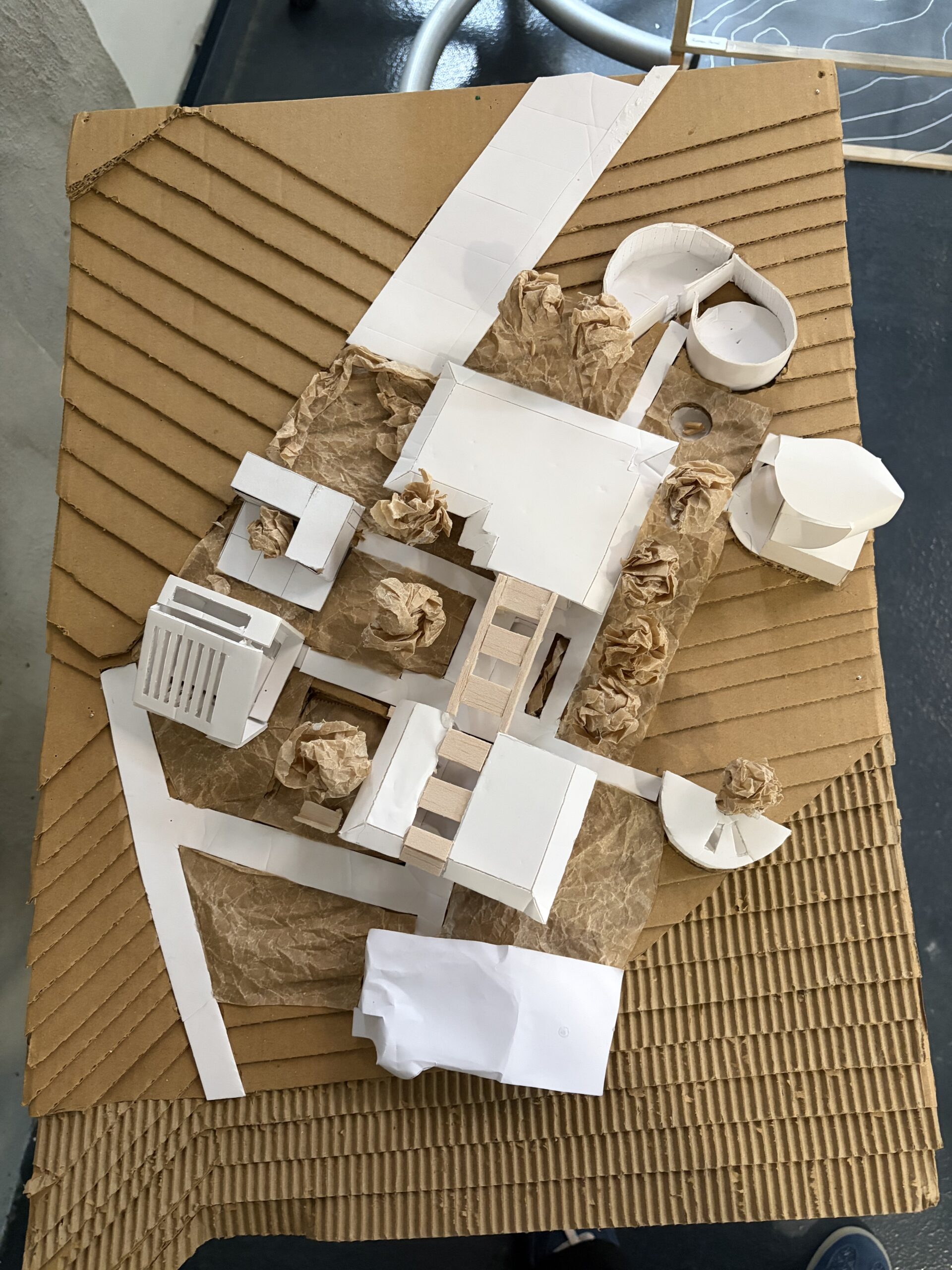
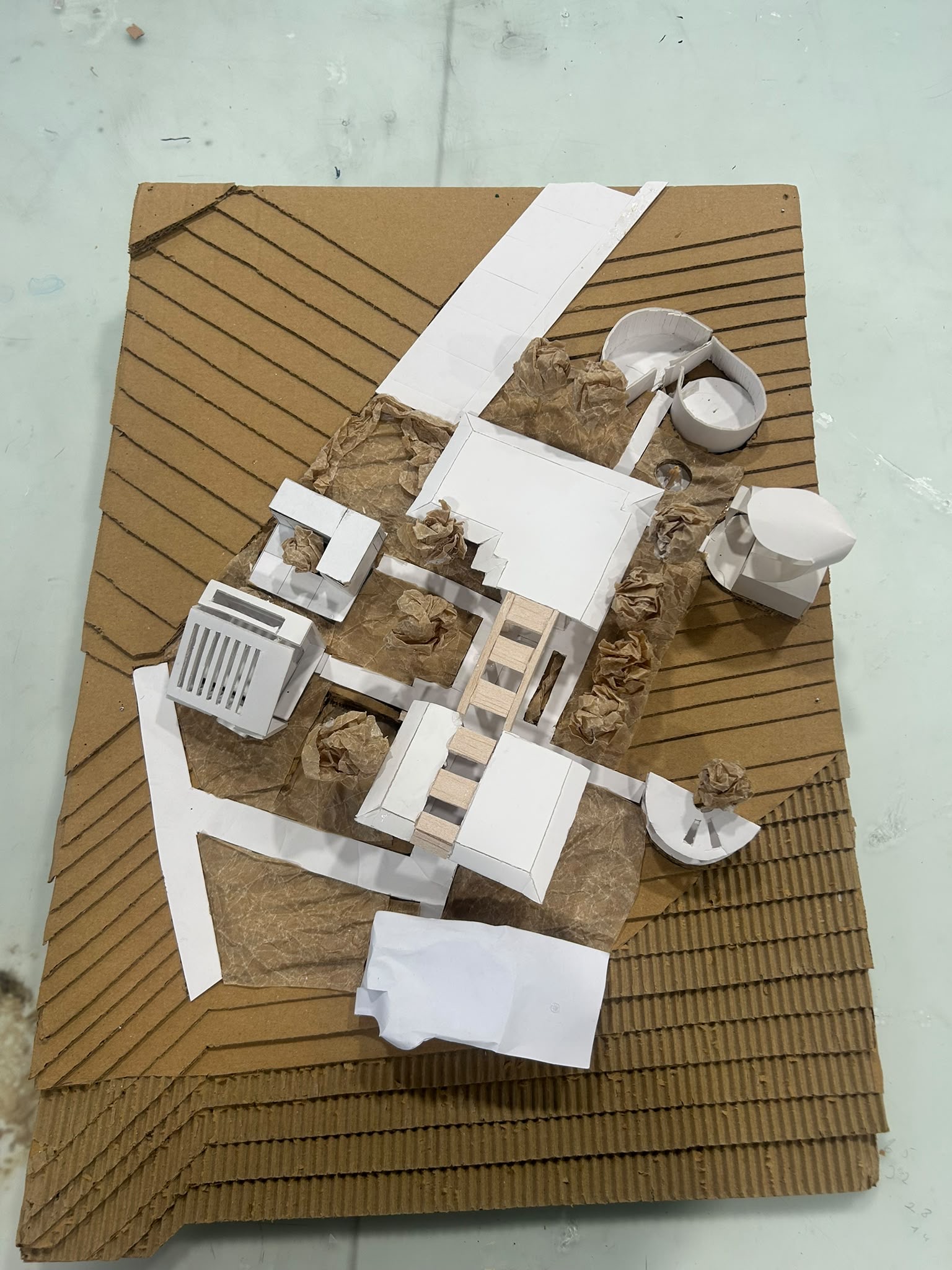
Writers’ Oba is a creative retreat designed for six writers who seek a balance between solitude, production, and collective exchange. The project is shaped by the idea of a “narrative terrain,” where movement through the landscape becomes part of the creative experience. Rather than functioning as a conventional accommodation facility, the settlement offers a sequence of spatial experiences that reflect the journey of writing itself.
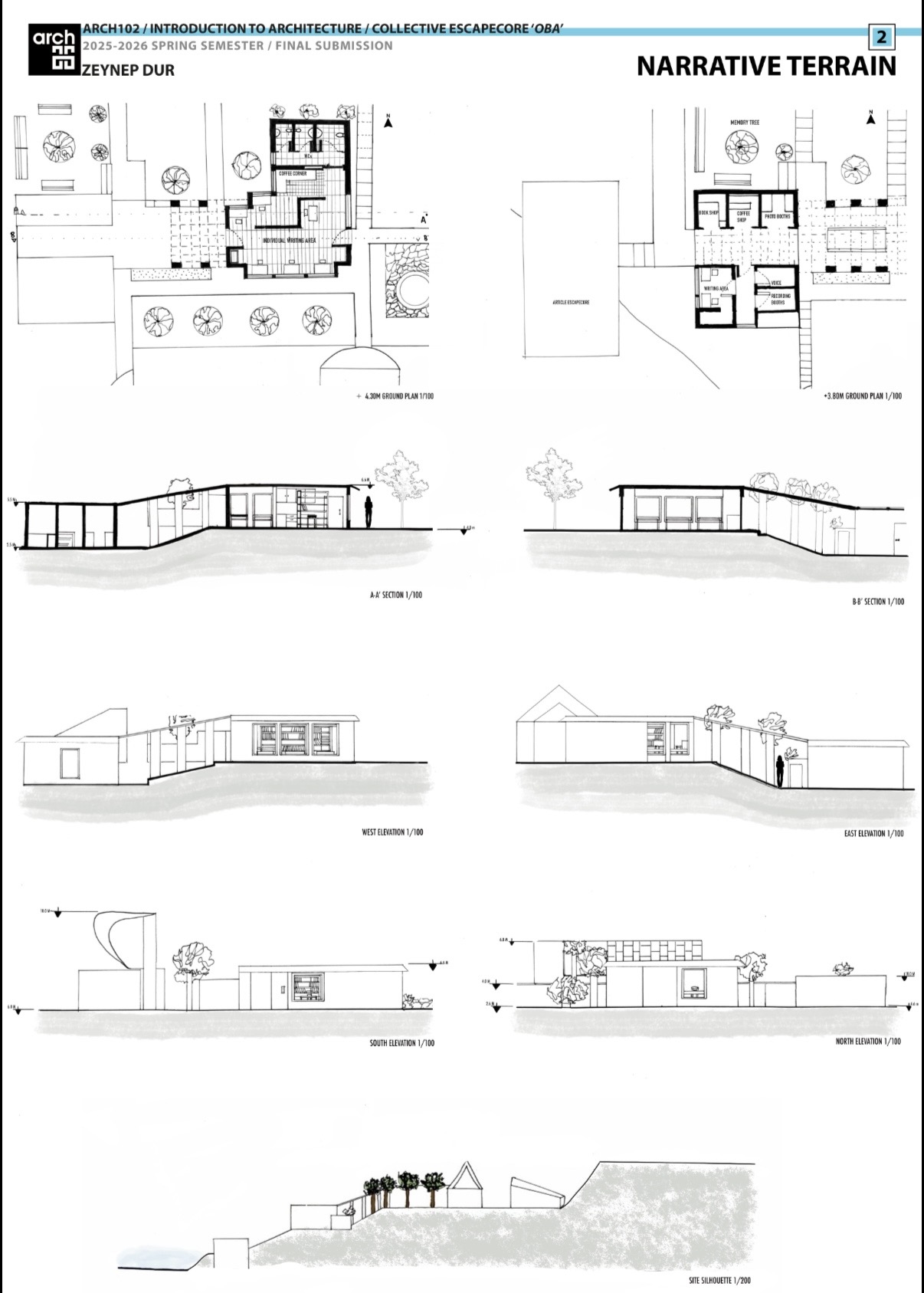
The site is organized through a hierarchy of public, semi-private, and private spaces defined by topography, circulation routes, and controlled encounters. Visitors are guided along a narrative path that introduces different forms of storytelling through writing, photography, sound recordings, and exhibition spaces. This route allows them to engage with the creative process without disturbing the writers’ daily routines.
The writers’ dwellings are positioned around the site, providing quiet and secluded environments for concentration and reflection. At the heart of the settlement, gathering spaces encourage interaction, discussion, and the exchange of ideas. The project distinguishes between visitors and residents through level differences and spatial transitions. While a lower gathering area welcomes visitors, an upper gathering space is reserved exclusively for writers, creating a sense of community and privacy within the creative retreat.
A typical day in Writers’ Oba begins with a walk through the landscape. Writers move from their cabins to individual workspaces, spending the day reading, thinking, and producing. Throughout the site, nature becomes a silent companion to the creative process. As evening approaches, the writers gather to share their experiences, discuss their work, and participate in collective activities. Through this balance of isolation and interaction, Writers’ Oba transforms the act of writing into a spatial journey where creativity is nurtured by both the landscape and the community that inhabits it.